






Published
August 24, 2025
No Comments
Join the Conversation
The Future of Medical Equipment Procurement and Innovation
Medical equipment plays a vital role in delivering safe, accurate, and efficient healthcare services. As healthcare organizations continue to expand and modernize, the demand for reliable medical technologies and smarter procurement strategies has grown significantly. Today’s healthcare providers are looking beyond simply purchasing equipment—they are investing in solutions that improve clinical outcomes, operational efficiency, and long-term sustainability.
Modern procurement is no longer just a purchasing function. It has become a strategic process that supports healthcare transformation.
The Changing Landscape of Medical Equipment
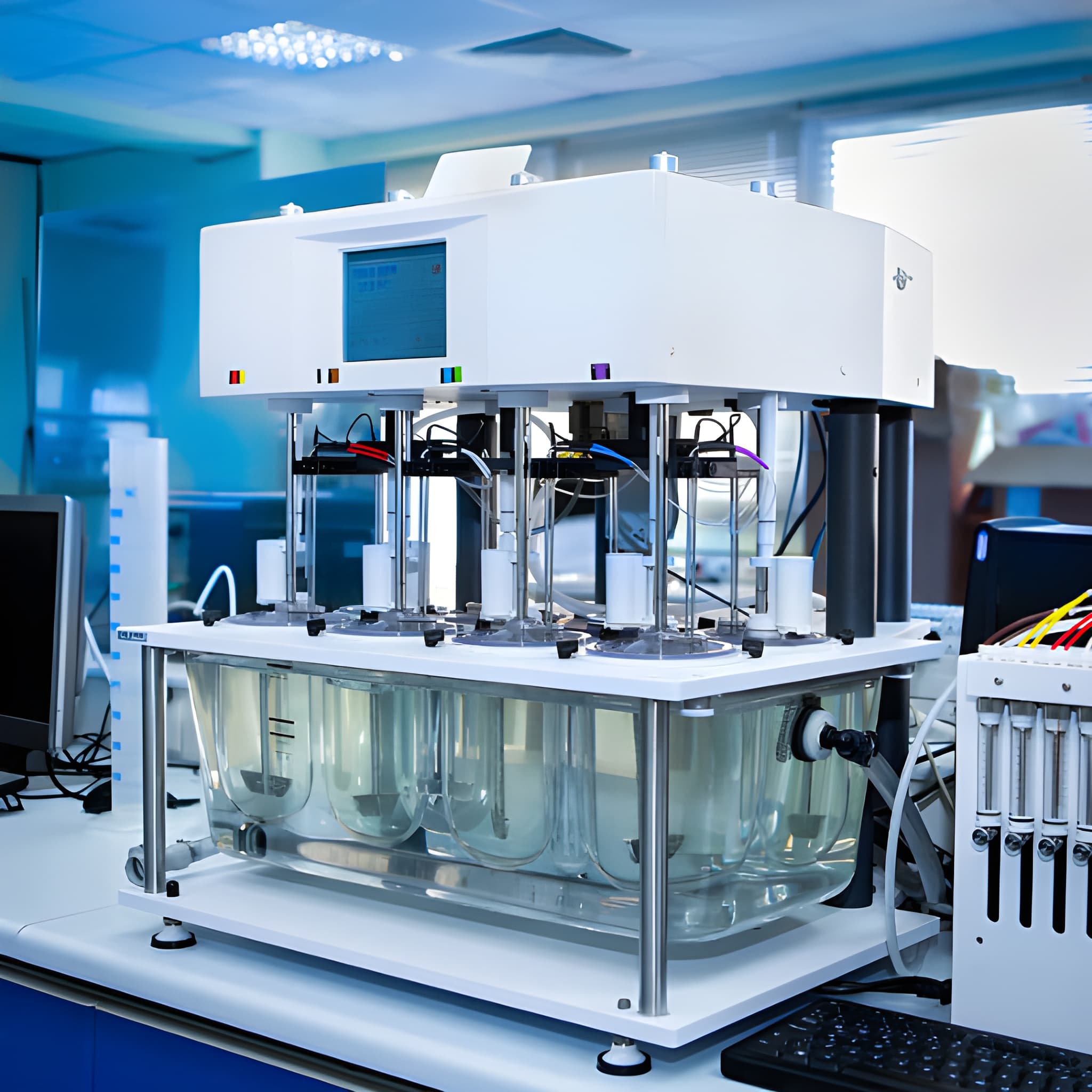
Healthcare technology continues to evolve with innovations in diagnostic imaging, patient monitoring, laboratory equipment, surgical systems, and digital health solutions. Organizations must carefully evaluate new technologies to ensure they align with clinical needs, operational objectives, and available resources.
Selecting the right equipment requires balancing quality, functionality, regulatory compliance, and long-term value.
Strategic Procurement Matters
Effective procurement involves more than comparing prices. Healthcare organizations must assess equipment performance, manufacturer reliability, maintenance requirements, and future scalability before making investment decisions.
A strategic procurement process reduces unnecessary costs, minimizes operational risks, and ensures healthcare facilities have the right tools to deliver quality patient care.
Technology Is Driving Smarter Decisions
Digital procurement platforms, inventory management systems, and data analytics are transforming how healthcare organizations purchase and manage medical equipment. These technologies provide greater visibility into equipment performance, purchasing trends, and lifecycle costs.
By leveraging data, healthcare leaders can make informed investment decisions while improving resource planning and operational efficiency.
Quality and Compliance Remain Essential
Medical equipment must meet strict regulatory standards to ensure patient safety and clinical reliability. Working with trusted manufacturers and certified suppliers helps organizations maintain compliance while reducing risks associated with substandard equipment.
Quality assurance should remain a priority throughout the procurement, installation, and maintenance process.
Lifecycle Management Improves Value
The value of medical equipment extends well beyond its initial purchase. Regular maintenance, performance monitoring, software updates, and timely upgrades help organizations maximize equipment lifespan and reduce unexpected downtime.
Lifecycle management enables healthcare providers to protect their investments while maintaining consistent service delivery.
Sustainability in Healthcare Procurement
Healthcare organizations are increasingly considering sustainability when selecting medical equipment. Energy-efficient technologies, environmentally responsible manufacturing, and equipment recycling programs contribute to more sustainable healthcare operations.
Responsible procurement practices also support long-term financial and environmental goals.
The Importance of Trusted Partnerships
Successful equipment procurement often depends on strong relationships with manufacturers, distributors, technical specialists, and healthcare consultants. These partnerships provide access to expert guidance, product support, and industry knowledge throughout the procurement process.
Collaboration helps organizations implement equipment solutions that meet both current and future healthcare needs.
Preparing for the Future
Emerging technologies such as artificial intelligence, robotics, remote monitoring, and connected medical devices are reshaping healthcare delivery. Organizations that invest in future-ready equipment and strategic procurement practices will be better positioned to adapt to changing clinical demands.
Healthcare leaders should continuously evaluate new technologies while maintaining a clear focus on patient outcomes, operational efficiency, and long-term value.
Conclusion
Medical equipment procurement has evolved into a strategic function that directly influences healthcare quality, operational performance, and organizational growth. By combining thoughtful planning, innovative technologies, and trusted partnerships, healthcare organizations can make informed investments that support better patient care and sustainable success.
A forward-looking procurement strategy not only strengthens healthcare delivery today but also prepares organizations for the innovations of tomorrow.
Key Takeaways
- Strategic procurement improves long-term healthcare value.
- Quality equipment enhances patient care and safety.
- Digital technologies support informed purchasing decisions.
- Lifecycle management extends equipment performance.
- Regulatory compliance protects healthcare organizations.
- Trusted partnerships strengthen procurement outcomes.
- Innovation drives the future of healthcare technology.